- Agency Buddy
- Posts
- 📕 Building a Unified Content Experience, Guide to Organic Social Media Marketing, and more
📕 Building a Unified Content Experience, Guide to Organic Social Media Marketing, and more

Shaival Mehta
August 22, 2024

Your AI curated newsletter
22nd August 2024
Using the power of AI to save you hours skimming through unimportant articles.
TOP RANKED ARTICLES OF THE DAY
1. What It Takes to Build a Unified Content Experience
Building a unified content experience is all about aligning your brand’s message with the audience’s needs across all touchpoints. Here's how to achieve it:
Identify and Bridge Disconnects
Misaligned messaging often arises from siloed teams working independently.
Understanding the audience’s perspective is crucial; audiences can tell when content serves business goals over their needs.
Focus on the Audience
Implement audience-first strategies by combining performance data and direct feedback like surveys.
Metrics alone don't tell the whole story—qualitative insights bring depth.
Create Seamless, Cohesive Content Journeys
Integrate customer journey maps to ensure all touchpoints are aligned and intuitive.
Establish clear workflows and communication channels across teams.
Quality consistency is key—develop a brand-wide editorial style guide to ensure uniform tone and messaging.
Ongoing Monitoring and Experimentation
Constantly monitor feedback and test strategies. Embrace experimentation, adjusting as you gain new insights.
In conclusion, a unified content experience hinges on aligning your entire team around a customer-centric vision. Through cohesive strategy, continuous feedback, and collaboration, brands can foster deeper, more meaningful audience connections.
2. The Big
Organic social media marketing focuses on building authentic connections with your audience without paid promotions. For agency founders and marketers looking to elevate their B2B brands, crafting a robust organic strategy is essential.
Set Clear Goals
Start by aligning social media goals with business objectives. Whether it’s increasing brand awareness or driving website traffic, use the SMART framework to keep your goals focused and measurable.
Know Your Audience
Deeply understand your target audience through research. Use tools like Google Analytics, social media insights, and surveys to gather high-quality data. This will help you create content that resonates.
Choose the Right Platforms
Select platforms where your audience is most active. LinkedIn is a go-to for B2B, with 80% of B2B leads coming from this platform. However, don’t neglect other channels if they align with your audience.
Develop a Content Strategy
Use your audience insights to craft a content calendar that mixes various content types—videos, infographics, and industry news. Consistency and value are key to retaining your audience’s interest.
Engage with Your Audience
Don’t just post content; interact. Responding to comments can boost engagement by 40%. Think of social media as a conversation, not a broadcast.
Measure and Optimize
Regularly track your performance across various metrics like engagement and conversion rates. Use this data to refine your strategy continuously.
To succeed with organic social media, you need to focus on building meaningful connections and delivering consistent value. When done right, it’s a powerful way to grow your brand without heavy reliance on paid ads.
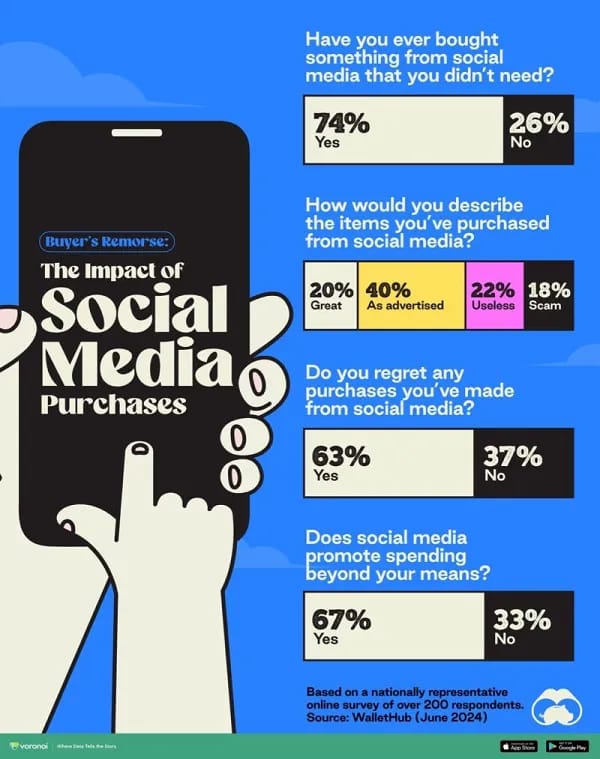
3. The Impact of Social Media Purchases